


Discover why the world’s healthiest communities swear by olive oil!
Our olive oil expert Ehud Soriano recently led two fascinating Sindyanna webinars exploring the cultural, historical and culinary significance of olive oil.
The first workshop presented the long history of the olive in our region, the development of oil production from traditional techniques to modern methods, and the central place of local culture in growing olive trees throughout history.
Fun fact: Did you know that the earliest evidence in the world regarding olive trees and their processing into oil was found in Israel, in the Hula Valley and Tel Tzipori, indicating the use of olive oil as early as 8,000 years ago?
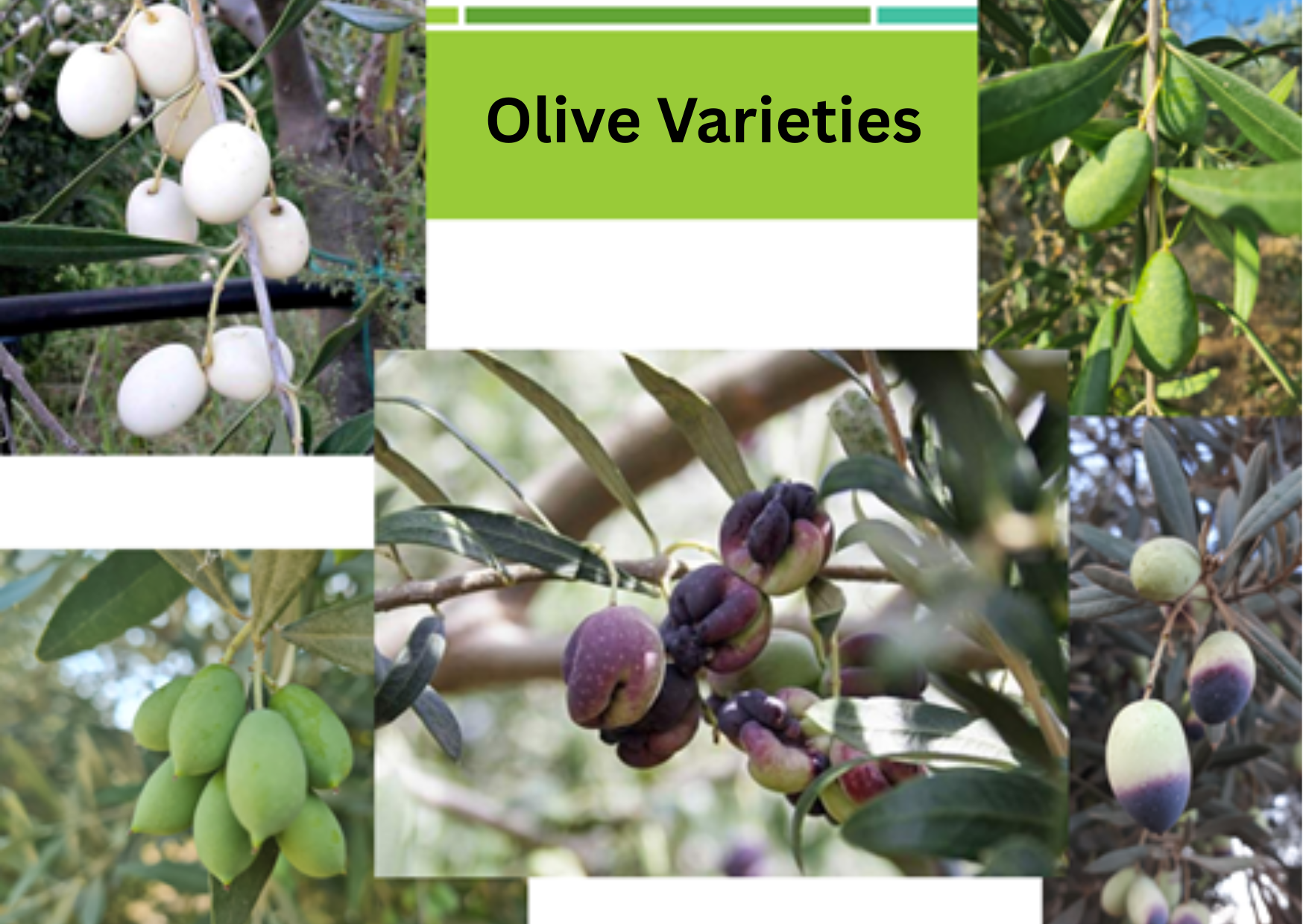
Soriano detailed the health benefits of olive oil which contains vitamin E, carotenoids, phytosterols, and terpenes — all of which have a positive effect on our bodies and help prevent diseases.
He also debunked several common olive oil myths:
– O live oil should be stored in a dark glass bottle or sealed containers, as opposed to plastic ones
– The acidity of the oil has no impact on health, and that the bitterness and pungency in the oil actually indicate its quality, due to the anti-inflammatory and antioxidant substances it contains.
– Olive oil is very suitable for frying, contrary to popular belief, due to its stability at high temperatures.
In his second workshop, Soriano focused on the Mediterranean diet, its components, benefits, and the connection between the use of quality olive oil and public health. He also emphasized the depth of its cultural roots – an integral part of the lifestyle of many communities around the Mediterranean.
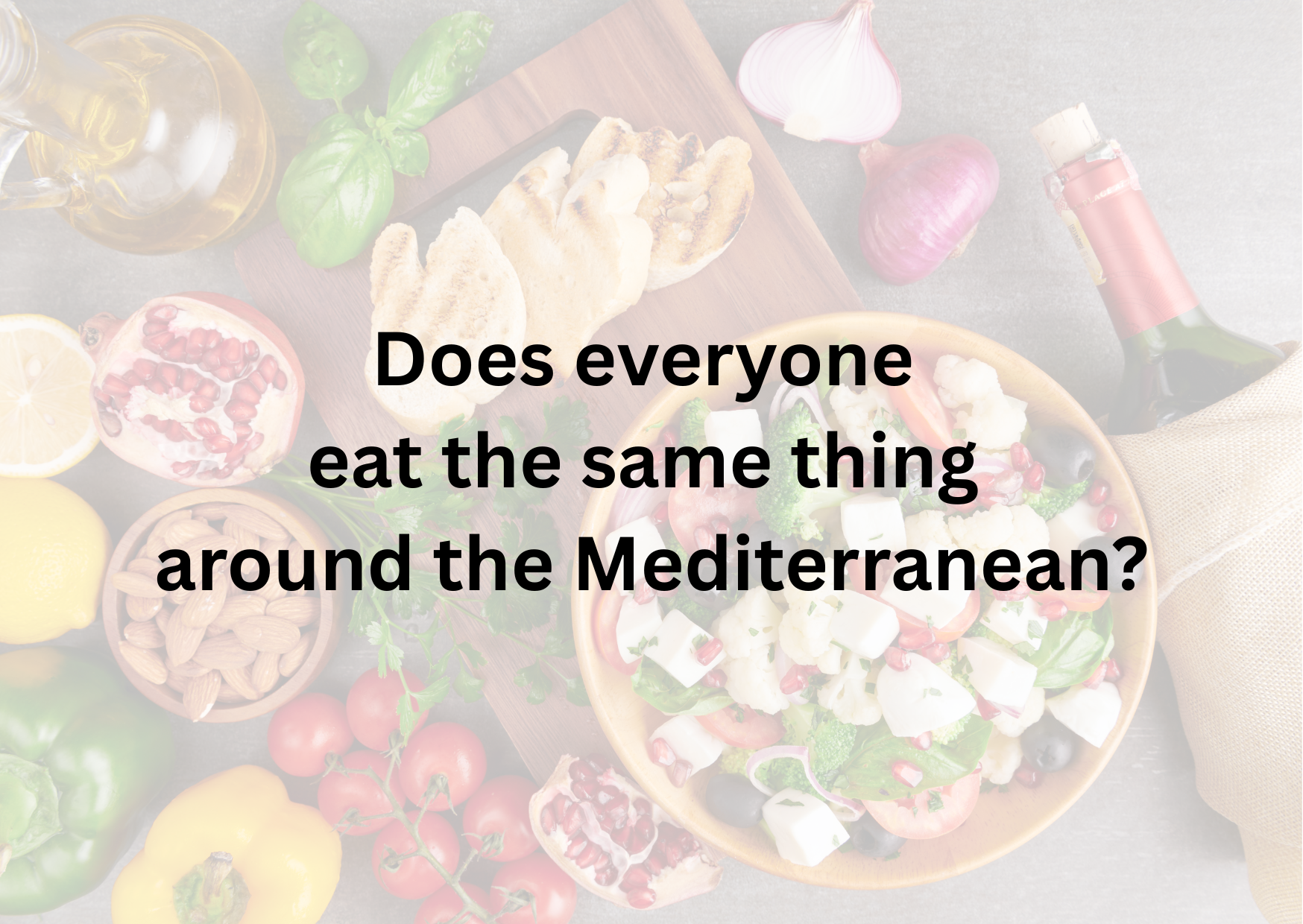
The diet is defined as a combination of foods from the geographical area surrounding the Mediterranean Sea – Southern European countries, the Middle East, and North Africa – based on local traditions, seasonal agriculture, and fresh produce. It is not a “diet” in the narrow sense of the word but a long-term lifestyle.
It is considered one of the healthiest and most balanced diets in the world, based on a combination of fresh seasonal produce, high-quality olive oil, fish, legumes, vegetables, fruits, and whole grains. But it is much more than a list of foods – it is an invitation to a lifestyle of balance, connection to the land, and living at nature’s pace.
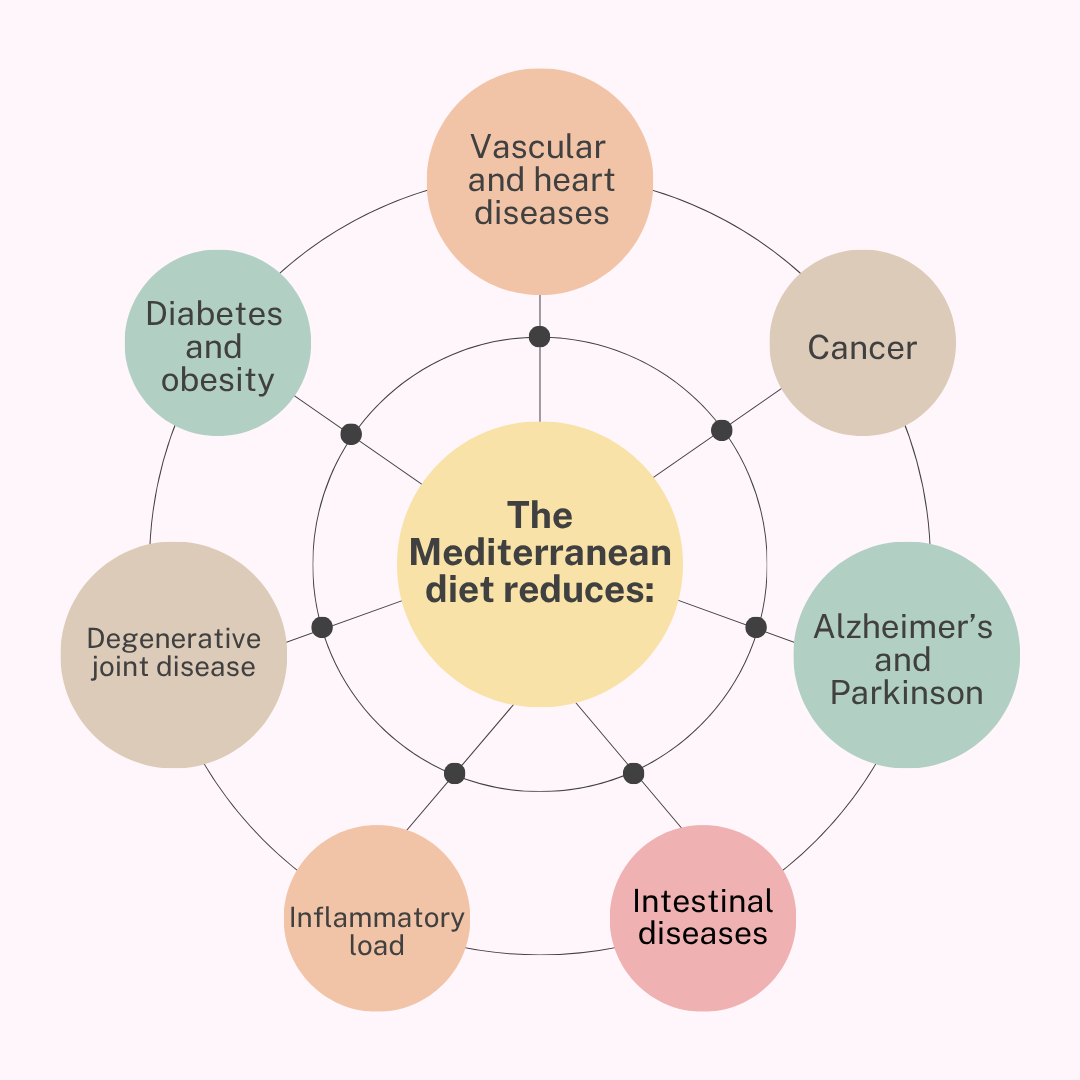
Principles of the Mediterranean Diet
The diet is based on fresh, seasonal, and local foods, with high consumption of:
- Vegetables and fruits
- Legumes and whole grains
- Nuts and seeds
- Extra virgin olive oil as the main fat source
- Moderate use of dairy products (mainly yogurt and fermented cheeses)
- Fish and seafood relatively frequently
- Red meat – very rarely
- Red wine in moderation, mainly with meals
The emphasis is on balance, consumption of natural food, and minimum industrial processing.
Olive Oil as a Key Component
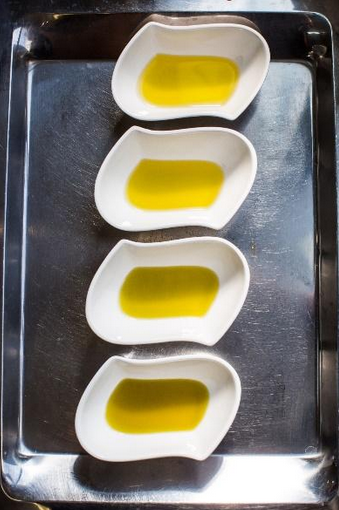 Olive oil, sometimes called “Liquid Gold,” is at the heart of the Mediterranean diet, used not only in cooking but also as a main ingredient in seasoning and finishing dishes. Beyond its rich taste, it is a source of unsaturated fats, antioxidants, and polyphenols that contribute to maintaining heart and blood vessel health and reducing the risk of inflammation and chronic diseases.
Its use reflects a deep connection to the land, to local agricultural tradition, and to community health. It is important to understand the difference between extra virgin olive oil and lower quality oils, the importance of freshness, production method, and prevention of oxidation, and the importance of storage – away from light and heat – to preserve the oil’s health benefits.

Research and Scientific Evidence
There have been a series of large-scale studies, including the PREDIMED study conducted in Spain, which showed a significant reduction in the risk of heart disease and stroke among people who consumed a Mediterranean diet rich in extra virgin olive oil. Additional studies indicate a positive effect on blood sugar levels, brain health and reducing the risk of dementia, and even on preventing certain types of cancer.
Cultural and Social Connection
The Mediterranean diet is not just a list of ingredients but also an eating culture – the importance of family meals, communal eating, and the connection between food and cultural identity. The combination of flavors, cooking techniques, and local traditions creates a rich and healthy culinary experience.
The emphasis is also on physical activity as part of life – walking, agricultural work, daily movement – and not necessarily intensive fitness training, as well as on shifting away from processed food, rich in sugars and saturated fats, harms public health, and towards home cooking, using simple and quality raw materials, and planning meals around local seasonal produce.
Top Seven Tips for Implementing the Mediterranean Diet
- Choose extra virgin olive oil – for both cooking and seasoning.
- Fill your plate with many vegetables – fresh, cooked or roasted.
- Cut back on red meat – opt for fish, chicken and legumes.
- Enjoy whole grains – like whole wheat, quinoa and oats.
- Make family meals a habit – communal eating supports both body and mind.
- Avoid ultra-processed food – especially sugary drinks and packaged snacks.
- Snack smart – fruits and nuts are nature’s perfect sweet and healthy treats.
